



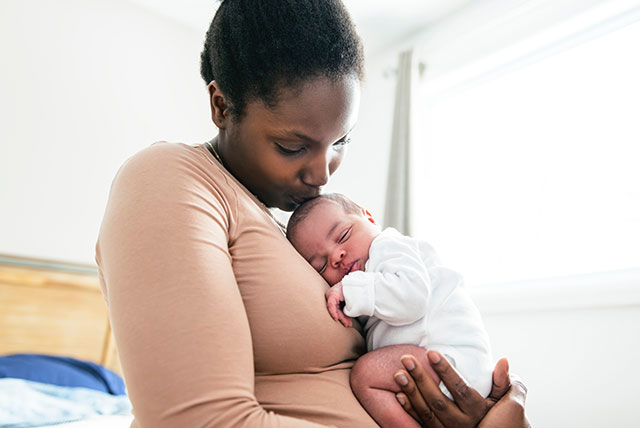
Having a new baby is a joy, but can also be stressful. You are learning how to care for your baby and adjusting to this new way of life. It can be a lot, emotionally and physically. Often moms are so focused on their babies and getting through each day that they forget to take care of themselves. Here are some tips for taking care of yourself physically and emotionally.
Emotional Recovery
Pregnancy and a new baby can bring a range of emotions. You may feel joy and be in love with your adorable new baby. It’s completely normal to also feel anxious, sad, or overwhelmed during pregnancy and after the baby is born.
Sometimes these feelings go away on their own. But if these feelings last longer than two weeks, are severe or get worse, please talk with someone you trust and see your health care provider. You are not alone.
National Maternal Mental Health Hotline
There are professional counselors you can talk to who can help. The National Maternal Mental Health Hotline provides 24/7, free, confidential support before, during, and after pregnancy. Help is available in English and Spanish, with interpreter services in 60 other languages.
- Call or text 1-833-TLC-MAMA (1-833-852-6262)
Physical Recovery
Taking care of a new baby is a lot of work. It's easy to forget about your own needs with all the feedings and diaper changes. Remember, you also have to take care of yourself. That will help you take care of your baby. Try to stick to the basics:
- Eat and drink enough.
- Rest.
- Take breaks for yourself.
- Let someone know if you're not feeling well, physically or emotionally.
- Ask for help with baby care.
Postpartum Warning Signs
You know your body best. If you experience something that seems unusual or is worrying you, don’t ignore it.
It’s normal to feel tired and have some pain, especially in the first few weeks after having a baby. There are some symptoms that could be signs of more serious problems.
If you had high blood pressure during pregnancy, you have a higher risk for stroke and other problems after delivery. Tell your health care provider right away if you experience these symptoms:
- Headache that doesn’t go away or becomes worse
- Changes in vision, including blurry vision, seeing spots or changes in eyesight
- Pain in the upper stomach area
- Nausea or vomiting
- Swelling of the face or hands
The U.S. Preventive Services Task Force (USPSTF) recommends that women who are at a high risk for preeclampsia take a low dose of aspirin to reduce their risk of preeclampsia and the harm it causes.
Learn about urgent warning signs and how to talk to your trusted health care provider to make sure you get answers to all of your questions.
Rest
Babies often wake up every 2-3 hours to be fed and changed. It's no surprise parents get tired quickly! Remember, this phase when baby wakes several times a night won't last forever. Here are helpful tips that might help you get more rest:
- Sleep when your baby sleeps. It's tempting to use your baby's naps to catch up with chores, but try to rest when your baby is sleeping.
- Go to bed early. Try to go to bed really early a few days a week.
- Share the nights, if you can. Ask your partner or other family member to help. For example, they could change diapers or put your baby back to sleep for you.
- Ask friends and family for support. Ask a friend or family member to come sit with your baby while you have a nap. Or see if a friend or relative could stay with you for a few days so you can get more sleep. They can also help by making food for you, tidying up your home, or running errands for you.
- Take a short walk. Try to get outside for a short walk with your baby, even if it’s just around the block. Remember, you should not do serious exercise until you see your health care provider at your six-week post-partum visit.
- Try relaxation techniques. As little as 5-10 minutes of gentle relaxation may help you feel refreshed. Wash your face or rinse your hands in cool water to reduce tension and calm nerves. Close your eyes, take deep breaths, stretch, do yoga, or meditate.
Nutrition for Parents
Do your best to make healthy food choices, eat well and stay active to support your health and your baby’s growth. This is especially important if you plan to breastfeed. A balanced diet and activity will also help you stay healthy as your little one gets bigger.
“Eat Real Food. A healthy, nutritious diet is just as important for you as it is for your baby.
Proper nutrition helps you heal and recover after giving birth and gives you the energy to take on your new role. A healthy diet can also help you manage conditions that may have developed during or after your pregnancy, such as high blood pressure or diabetes.
Talk to your doctor about how your diet can support your postpartum recovery. You can also ask friends or family to help with meals so you can focus on rest and recovery.”
Breastfeeding Help
Breastfeeding is a journey. During those first few days and weeks, it may feel like there are more downs than ups. It will get easier with time and practice!
- The HHS Office on Women’s Health (OWH) created Your Guide to Breastfeeding to support mothers on their breastfeeding journey.
- Explore the WIC Breastfeeding Support program as you start your breastfeeding journey, overcome challenges, and support other parents like you.
- Learn about common breastfeeding challenges.
Breastfeeding and Medication
Although many medications pass into breast milk, most have little or no effect on milk supply or infant well-being. Talk with your health care provider about prescription medication use or supplements that you take or plan to take along with medications to avoid.
MotherToBaby provides information in English and Spanish about the risks and safety of taking specific medicines during pregnancy and breastfeeding. They offer a free and confidential service to speak with a MotherToBaby expert about the safety of a medicine you have taken or are thinking of taking.
How to Help Your Child Adjust to a Newborn
Parenting can be hard work, especially when introducing your newborn to older siblings. There are many things that you can do to build a safe, stable, and nurturing relationship with them and for them.
Postpartum Contraception Care
It is possible to get pregnant in the postpartum period, even if you are still breastfeeding. The CDC's website has information on contraceptive methods that can be used postpartum.
Below are some helpful tips to consider while determining if postpartum contraception is right for you:
- Depending on a person’s body, health, and behaviors, it is possible for some people to get pregnant as early as 1-2 months after a delivery.
- Breastfeeding as birth control can be effective for up to 6 months after delivery as long as you are:
- Breastfeeding fully or nearly fully (no interval of more than 4–6 hours between breastfeeds).
- Not having any menstrual bleeding.
- Many types of birth control are safe for use even right after a birth. What is safe for you and your body will depend on your own health and behaviors. Talk to your health care team about safe birth control options that could meet your needs and preferences.