




Understanding Lyme Disease, Supporting
Patients, Advancing Solutions
What is Lyme Disease? Lyme disease is a tick-borne infection that can lead to chronic, often invisible multi-system illness. Even after treatment, up to 20% of patients may develop Lyme “infection-associated chronic conditions and illnesses” (Lyme-IACCI) with persistent fatigue, pain, cognitive issues, neurological complications, and other enduring health challenges.
The great imitator - and the great instigator - of invisible illness
Lyme disease is the most common vector-borne disease in the United States, with an estimated 476,000 Americans diagnosed and treated annually, according to the Centers for Disease Control and Prevention (CDC). Lyme affects nearly every body system, producing wide-ranging symptoms that frequently overlap with other infections and autoimmune conditions—leading to frequent misdiagnosis or delayed care.
Current diagnostics cannot yet reliably detect all stages of Lyme disease, and many patients continue to experience persistent symptoms even after antibiotics. The economic burden is significant—likely in the billions annually—yet the full cost of illness remains unquantified due to limited research and incomplete data.
HHS is responding with increased investments, comprehensive research, improved diagnostic tools, patient-centered solutions, and multi-sector innovation to accelerate progress.

Lyme 101: The facts about Lyme disease
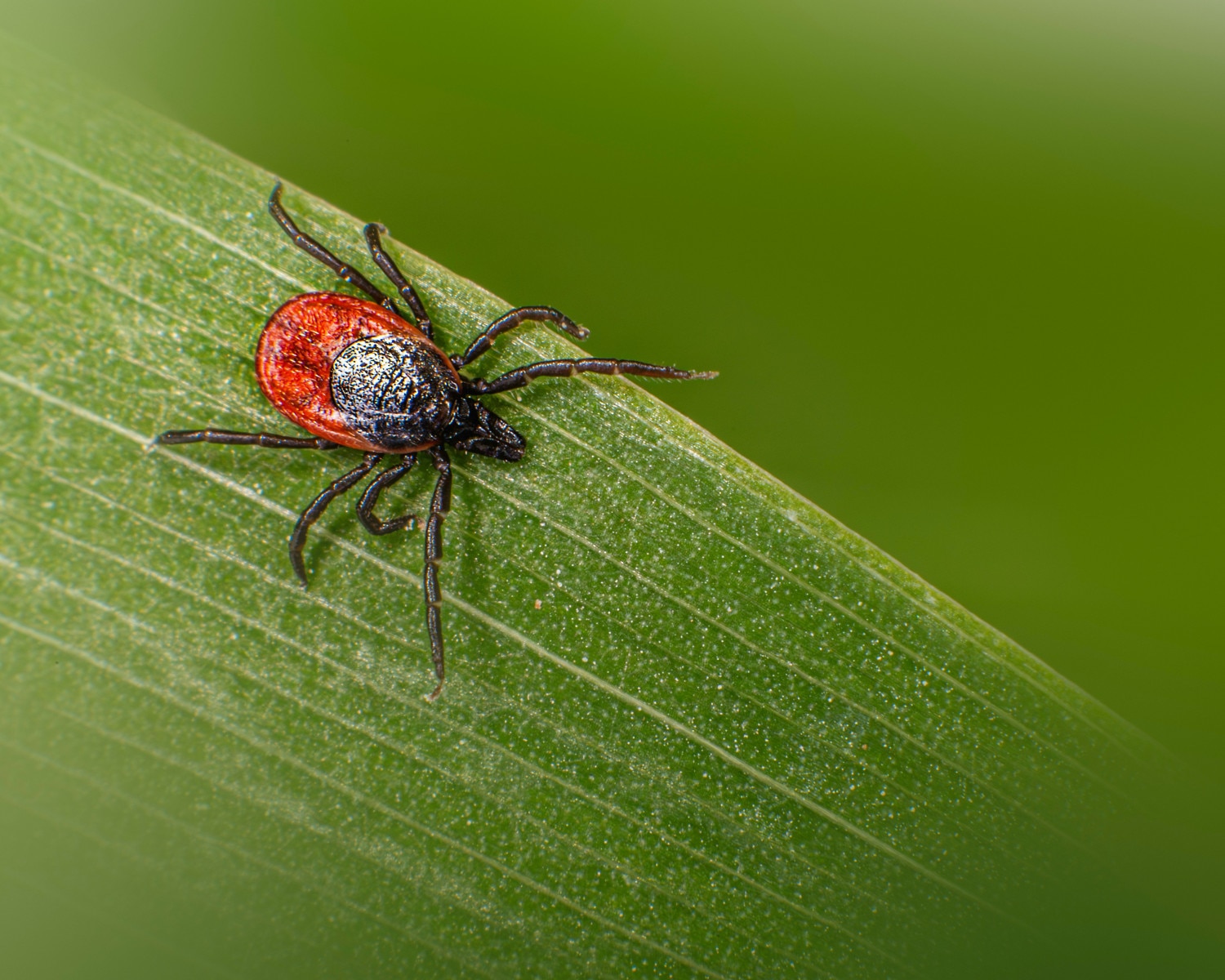
- Caused by a tick-borne bacterial infection (Borrelia burgdorferi) transmitted primarily by blacklegged (deer) ticks.
- Children and adults who spend significant time outdoors in tick-endemic regions are at the highest risk of infection.
- While originally common in the Northeast, Mid-Atlantic, and Upper Midwest, Lyme disease cases are now reported throughout the continental United States.
- Peak transmission for Lyme is in late spring and summer, but the risk persists year-round in warmer climates.
- Early detection is critical for treating Lyme, yet current diagnostics miss some stages of disease. Delayed treatment of Lyme disease can significantly impact daily functioning and in rare cases may be fatal (e.g., Lyme carditis).
By the numbers
~476,000
The number of Americans diagnosed and treated each year.
Source: CDC
Up to 20%
Percentage of Lyme patients experience persistent symptoms after antibiotics, causing potentially debilitating invisible illness from Lyme-IACCI.
Source: CDC, National Academies
HHS logo
Gold-standard science for Lyme Disease

CURE ID for Crowdsourcing Treatments that Work
Cure ID helps find treatments and share novel uses of existing drugs, while exploring what others have tried. The goal is to identify potential treatments for diseases without good treatment options.
Clinical Guidelines
The LymeX partnership is transforming 2025 Infection-Associated Chronic Illness (IACI) Guidelines into dynamic "Living" Evidence Guidelines for IACCIs (expected 2026) with clinical summaries, diagnostic considerations, and treatment insights from leading researchers and clinicians on Lyme disease, Long COVID, vaccine injury, IACCIs, and other invisible illnesses.
Clinical Trials and Emerging Science
Explore Lyme-related research including clinical trials and IACCI-focused studies on ClinicalTrials.gov.
Next-Generation Diagnostics
HHS is investing in advanced tools including AI-enabled diagnostics, epigenetic signatures, and molecular assays to improve accuracy and early detection, as part of the LymeX Innovation Accelerator and AI-accelerated science across HHS, FDA, ARPA-H and LymeX partners.
Radical Transparency for Lyme Disease

TOPx HHS Sprint for Invisible Illness
Fueled by HHS Open Data, this 4-month sprint with industry, academia, and the public will build digital tools and AI-accelerated insights for Lyme disease, invisible illness, and the cost of illness with up to $2,000,000 in total cash prizes for winning submissions.

LymeX AI pilots
HHS Open Source code for public use and reuse, including “LymeX AI” repos for the LymeX teams, American innovators, and entrepreneurs to optimize FDA submission packages and move from lab to market.

HHS Open Data
Unleash the power of HHS Open Data for the public and policymakers to drive innovation and economic activity, accelerate scientific research, and strengthen the foundation of an open and transparent government.

Open Science
Access millions of authoritative scientific research results from NIH, HHS, and federal science agencies.
Believe and Empower Patients as Partners
HHS Lyme Disease Roundtable
National forum convened by Secretary Kennedy with Members of Congress to accelerate solutions with patients and partners.
LymeX Public-Private Partnership
The nation’s largest Lyme disease partnership unites patients, innovators, and scientists to disrupt the status quo, together.
Living Evidence Guidelines
Through the LymeX public-private partnership, HHS is collaboratively updating guidance for clinicians treating infection-associated chronic conditions and illnesses (IACCIs). Version 2.0 launched in May 2026, and will continue to update every six months, as more science becomes known.
Clinician Locator
Through its public-private partnership with the International Lyme and Associated Diseases Society (ILADS), HHS is helping patients find experienced care for complex Lyme disease and related chronic conditions. The ILADS Provider Search connects patients with clinicians experienced in treating Lyme-IACCI and related conditions.
LymeX Healthathon Innovation Sprint
This patient-centered effort invites patients, caregivers, and clinicians to turn lived experience into practical solutions that improve care now. Participants will turn lived experience into shared stories and actionable insights that help patients navigate care with up to $250,000 in prizes.
LymeX Visible Voices Prize
This national prize competition with up to $250,000 in prizes improves clarity in Lyme disease diagnosis by developing clear, evidence-based materials for patients and clinicians. Participants will create resources that help patients and clinicians understand diagnosis and make informed decisions.
Co-create solutions with HHS
Whether you are living with Lyme, caring for someone affected, contributing scientific expertise, or driving innovation, your participation helps shape the future of Lyme solutions. Share your insights, participate in research, and help make invisible illness visible. Join us!

CURE ID for Crowdsourcing Treatments that Work
Help find treatments and share novel uses of existing drugs, while exploring what others have tried. The goal is to identify potential treatments for diseases without good treatment options.

LymeX Patient-Centered Innovation
Co-create the future of Lyme solutions by sharing lived experience, clinical insight, or your expertise through HHS efforts that turn real-world knowledge into better care and innovation for patients and families.

TOPx HHS Tech Sprint for AI and Invisible Illness
Co-create the future of Lyme disease innovation fueled by HHS Open Data. Join the TOPx HHS Tech Sprint for AI and Invisible Illness prize competition, launching May 2026 with up to $2,000,000 in total cash prizes.